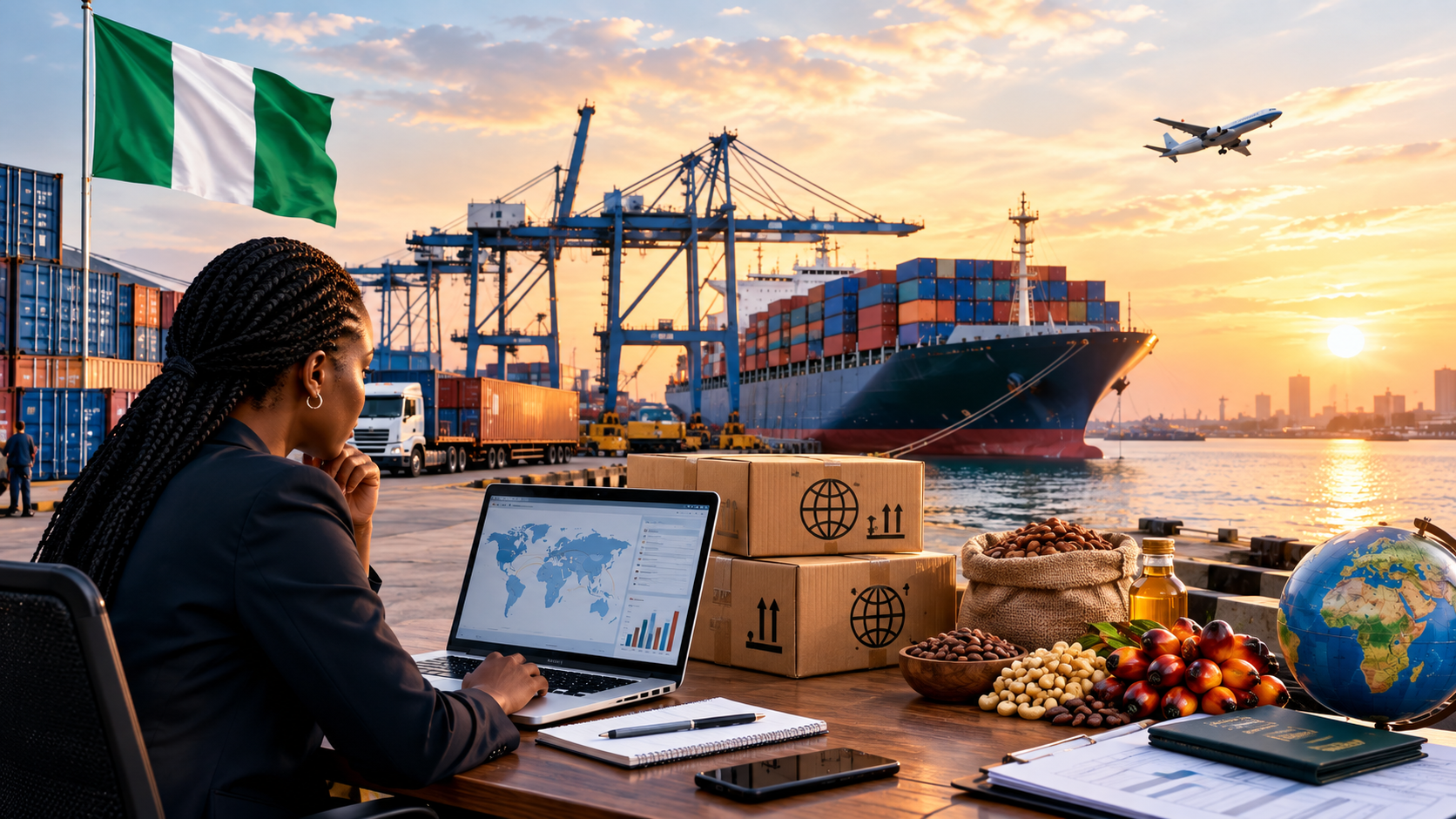
The Role of Exporters in Global Trade: Opportunities, Challenges, and Best Practices
Exporters are the driving force behind international trade, enabling businesses to reach customers across borders and contribute to economic growth. This article explores who exporters are, how the export process works, the benefits and challenges of exporting, and the strategies businesses can adopt to succeed in today's competitive global marketplace.

The Role of Exporters in Global Trade: Opportunities, Challenges, and Best Practices
International trade has become one of the most important drivers of economic development in today's interconnected world. At the center of this global exchange are exporters businesses and individuals who supply goods and services to customers in foreign markets. Exporters not only help companies expand their customer base but also contribute significantly to employment, innovation, foreign exchange earnings, and national economic growth.
As technology continues to simplify international commerce, businesses of every size now have opportunities to compete in global markets. Whether exporting agricultural products, manufactured goods, digital services, or industrial equipment, understanding the fundamentals of exporting is essential for long-term business success.
What Is an Exporter?
An exporter is a business, manufacturer, trader, or individual that sells products or services produced in one country to buyers located in another country. Exporters facilitate international commerce by ensuring products meet quality standards, comply with regulations, and reach customers through reliable logistics and distribution channels.
Exporters can operate directly by selling to overseas buyers or indirectly through distributors, trading companies, and export management organizations.
Why Exporting Is Important
Exporting provides businesses with opportunities to expand beyond the limitations of domestic markets. Access to international customers increases sales potential while reducing dependence on local economic conditions.
Some of the major benefits of exporting include:
Access to larger global markets.
Increased revenue and profitability.
Stronger brand recognition internationally.
Business diversification and reduced market risk.
Improved production efficiency through larger sales volumes.
Job creation and economic development.
Greater opportunities for innovation and product improvement.
For many countries, exports contribute significantly to GDP and strengthen international trade relationships.
Types of Exporters
Direct Exporters
Direct exporters sell products directly to customers or distributors in foreign countries. This approach provides greater control over pricing, branding, and customer relationships but requires knowledge of international regulations and logistics.
Indirect Exporters
Indirect exporters use intermediaries such as export agents, trading companies, or distributors. This method reduces complexity and is often suitable for businesses entering international markets for the first time.
Manufacturer Exporters
Manufacturers that produce goods and sell them internationally are known as manufacturer exporters. They often oversee production, packaging, quality assurance, and shipping.
Merchant Exporters
Merchant exporters purchase products from manufacturers and resell them to international buyers. Their expertise lies in sourcing products, identifying overseas demand, and managing export logistics.
The Export Process
A successful export operation involves several important stages:
1. Market Research
Businesses begin by identifying countries where demand exists for their products. Market research includes analyzing customer preferences, competition, pricing, regulations, and market trends.
2. Product Compliance
Products must satisfy the quality, safety, labeling, and regulatory requirements of the destination country before they can be exported.
3. Pricing and Negotiation
Exporters determine competitive pricing while considering production costs, transportation, insurance, customs duties, taxes, and currency exchange rates.
4. Documentation
International trade relies heavily on accurate documentation. Essential export documents often include:
Commercial Invoice
Packing List
Certificate of Origin
Bill of Lading
Insurance Certificate
Export License (where applicable)
Customs Declaration
5. Logistics and Shipping
Exporters coordinate transportation using sea freight, air freight, rail, or road depending on the product type, delivery timeline, and destination.
6. Customs Clearance
Both exporting and importing countries require customs procedures before goods can enter international markets.
7. Delivery and Customer Support
After successful delivery, exporters often provide installation, warranty support, product training, or after-sales services to maintain long-term customer relationships.
Challenges Exporters Face
Despite the opportunities, exporters encounter various challenges, including:
Exchange rate fluctuations.
Complex customs procedures.
International trade regulations.
Shipping delays.
High transportation costs.
Political instability.
Import tariffs and duties.
Cultural and language differences.
Supply chain disruptions.
Businesses that prepare for these challenges are more likely to maintain profitable international operations.
Best Practices for Successful Exporting
Successful exporters consistently apply strategies that improve efficiency and customer satisfaction.
These include:
Conducting thorough market research.
Maintaining high product quality.
Understanding international regulations.
Building relationships with reliable logistics partners.
Using secure payment methods such as Letters of Credit.
Investing in digital marketing for international audiences.
Monitoring global market trends.
Providing excellent customer service and after-sales support.
Strong planning and continuous improvement are essential for sustainable export growth.
The Role of Technology in Exporting
Technology has transformed global trade by making exporting more accessible and efficient than ever before.
Modern exporters benefit from:
E-commerce platforms for international sales.
Digital payment systems.
Cloud-based inventory management.
Supply chain tracking.
Artificial intelligence for demand forecasting.
Electronic customs documentation.
Customer relationship management (CRM) systems.
These technologies reduce operational costs while improving speed, transparency, and customer satisfaction.
Future Trends in Exporting
The future of exporting is being shaped by several global trends, including:
Growth in cross-border e-commerce.
Increased demand for sustainable products.
Digital trade documentation.
Artificial intelligence in logistics.
Automation in supply chain management.
Expansion into emerging markets.
Green logistics and environmentally friendly transportation.
Businesses that embrace innovation and adapt to changing market demands will remain competitive in the years ahead.
Conclusion
Exporters play an indispensable role in connecting local industries with international markets. They create opportunities for economic growth, business expansion, employment, and innovation while strengthening global trade relationships.
Although exporting presents challenges such as regulatory compliance, logistics management, and market competition, businesses that invest in research, technology, quality assurance, and customer relationships can achieve long-term success. As international trade continues to evolve, exporters who embrace digital transformation and sustainable practices will be well-positioned to thrive in the global economy.